
4WD Kits

-
iTechworld | Base Slimline 4WD Dual Battery Kit | 100Ah Lithium
 iTechworldBase Slimline 4WD Dual Battery Kit100Ah Lithium
- Regular price
- $773.97
- Sale price
- $773.97
- Regular price
-
$1,298
View Product
-
iTechworld | Premium Slimline 4WD Dual Battery Kit | 100Ah Lithium
 iTechworldPremium Slimline 4WD Dual Battery Kit100Ah Lithium
-
 100Ah Lithium Battery Power
-
 12V Mini Control Box
- Regular price
- $1,131.95
- Sale price
- $1,131.95
- Regular price
-
$1,805
View Product
-
-
iTechworld | Base 4WD Dual Battery Kit | 240Ah Lithium
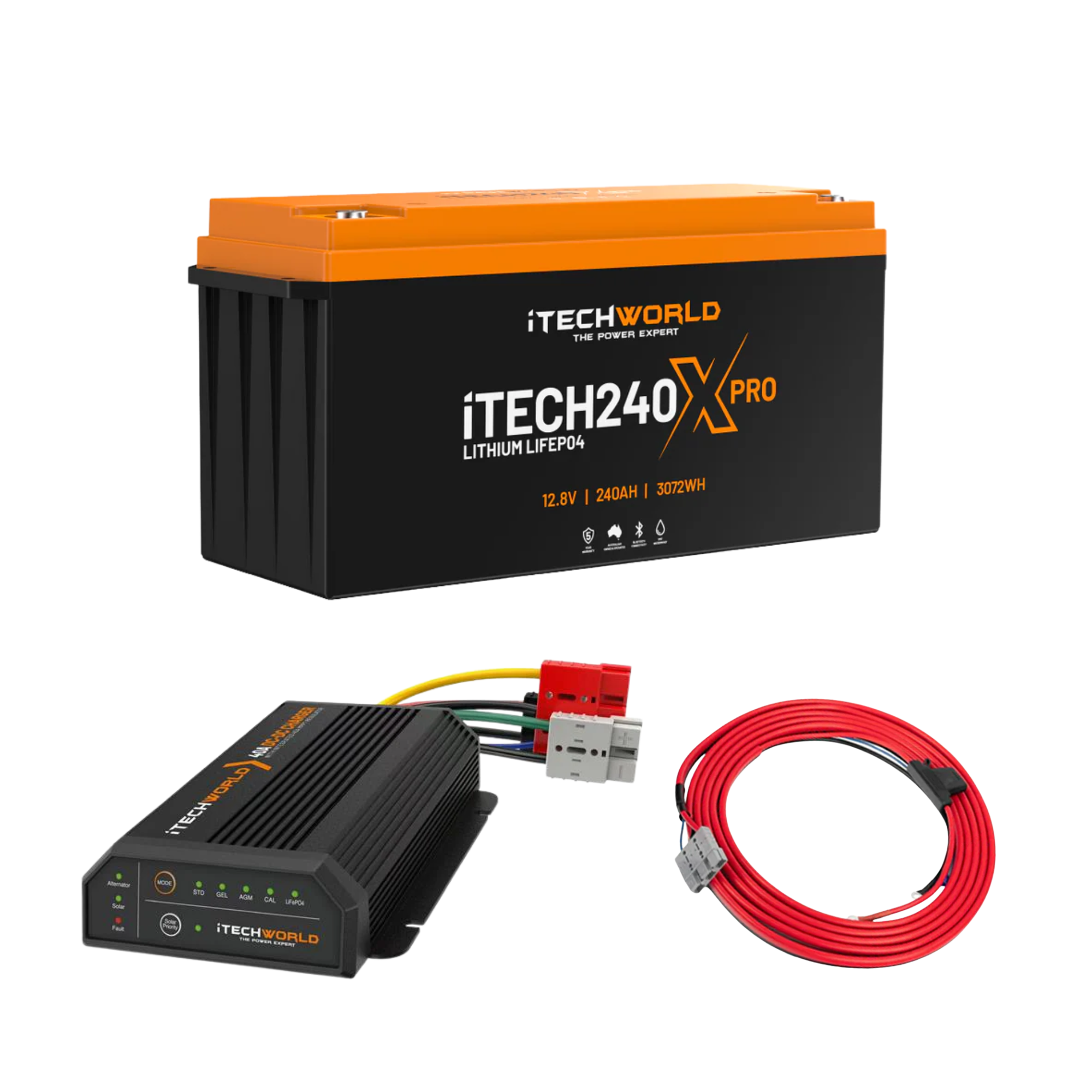 iTechworldBase 4WD Dual Battery Kit240Ah Lithium
- Regular price
- $1,579
- Sale price
- $1,579
- Regular price
-
$2,198
View Product


Power your next adventure
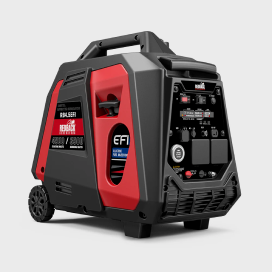
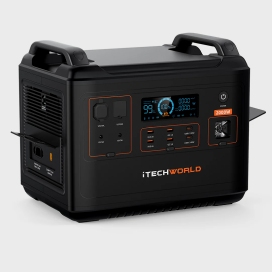
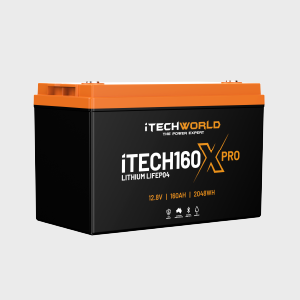

FAST & RELIABLE SHIPPING
Straight from our QLD and Perth HQ to your doorstep - wherever you are in Australia, we get your gear to you fast.

Money Back Guarantee
If you're not completely satisfied with your purchase, we'll make it right. No questions asked.

Legendary Support
Real Aussie experts, real support. We’re here when you need us, no offshore call centres.

Proudly Australian
100% Aussie-owned and operated, delivering top-quality power solutions to Australians, by Australians.
4WD Kits
A dual battery system is what separates a weekend away from a weekend that ends with a flat starter battery and a long wait for a tow. Every kit on this page keeps your cranking battery isolated and protected while an auxiliary lithium battery runs the fridge, the lights, the compressor and everything else you've bolted to the vehicle.
The hard part isn't buying a battery, it's matching the components. Get the charger profile wrong for the battery chemistry and you'll shorten its life. Undersize the wiring and you'll never see the charge rate you paid for. Spec an inverter the battery can't feed and it'll shut down under load. These kits are specified as complete systems so none of that lands on you or your installer.
Sizes run from 100Ah for a fridge-and-lights build through to 300Ah for extended remote touring with an inverter. If you're fitting out a ute canopy, look at our canopy power kits. Towing a van as well? Our caravan kits cover the other half of the setup. Want to keep charging once you've made camp and switched the engine off, add a solar blanket on a lead. Not sure what size you need, get it sorted online or over the phone with the help of the power experts.
Choosing a 4WD Dual Battery System
Corrugations, heat and long stretches between towns are hard on a power system. Here's what matters when you're specifying one:
- Your Starter Battery Stays Protected: the DC-DC charger isolates the cranking battery when the engine's off, so the fridge can run all night and the vehicle still starts in the morning.
- Charges Properly From a Modern Alternator: variable-voltage and smart alternators in newer 4WDs won't charge an auxiliary battery correctly on their own. A DC-DC charger is what makes it work.
- More Usable Capacity: LiFePO4 delivers close to its full rated Ah, where AGM shouldn't be discharged much past half. A 100Ah AGM realistically gives you around 50Ah usable.
- Weight You'll Actually Notice: lithium is far lighter than AGM for the same usable capacity, which counts when you're already managing GVM with a canopy, drawers and water.
- Protected by a BMS: over-charge, over-discharge, over-current, short circuit and temperature protection, all handled automatically while you're 400km from the nearest town.
- Pre-Matched Components: battery, charger, wiring and monitoring specified to work together, so your auto electrician is installing a system rather than assembling one.
- Room to Grow: start with the battery and charger, add solar or an inverter later without replacing what you've already fitted.
- Real Aussie Support: our WA-based team specs 4WD systems every day. Tell us your vehicle and your appliance list and we'll size it properly. No offshore call centre.
- Australian-Owned Since 2006: close to two decades specialising in off-grid and vehicle power, with showrooms in Burswood and Forrestdale.