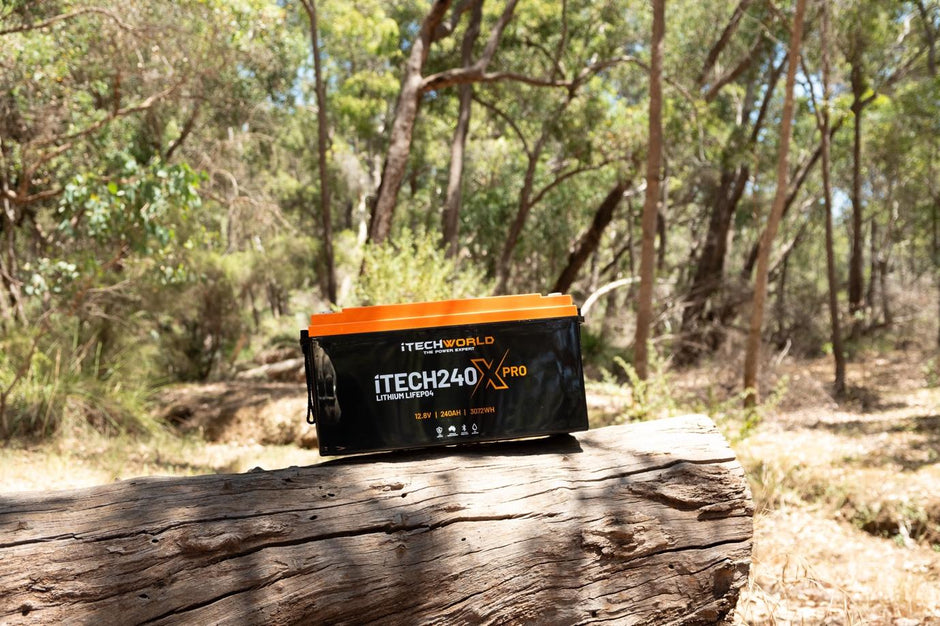
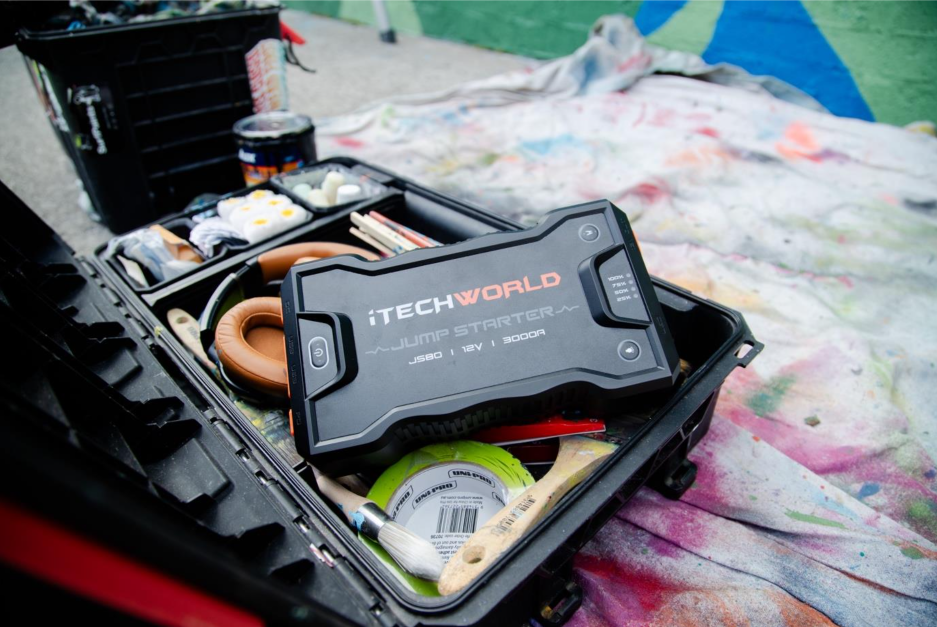
Most people buying a dual battery kit have never had anyone explain what's actually in the box, or why. They see "2000W inverter" and "240Ah lithium" on a product page and take it on faith. Here's the breakdown — what's inside a complete 4WD kit, what each part does, and why the inverter is the component that actually changes what you can do off-grid.

What's Actually in a Complete Kit?
A complete 4WD dual battery kit isn't a battery with some extras thrown in. It's five jobs working together: store energy, charge it from more than one source, protect the wiring, keep you informed, and convert it into something your gear can use. The inverter is what expands the system beyond 12V gear. Without it, the battery bank can still run your fridge, lighting and other 12V accessories; with it, you can also power compatible 240V appliances like a coffee machine, power tools or a laptop charger.
We'll use the iTechworld Complete Lithium 4WD/Caravan Kit (240Ah) as the reference point through this guide — a real, current kit that includes every part discussed below, with an optional solar upgrade.
The Inverter — Why It's the Focal Point
The battery stores power. The inverter is what expands the system beyond 12V gear, converting stored energy into 240V AC for compatible appliances. Here's what's worth knowing about it before we get to the full parts list.
Pure sine wave, not modified: the inverter in this kit is a pure sine wave inverter, meaning its 240V output closely matches the power coming out of a home wall socket. That matters for anything with sensitive electronics or a motor — laptops, TVs, some fridge compressors, medical equipment. A cheaper modified sine wave inverter can run basic resistive loads fine, but can cause issues or reduced efficiency in gear that expects clean power.
Continuous vs surge — read both numbers: the 2000W Pure Sine Wave Inverter in the Complete Kit is rated for 2000W continuous output, with a 4000W surge rating for the short current spike appliances draw on startup (a fridge compressor or power tool kicking in, for example). When you're checking whether an appliance will run, check both figures — continuous tells you what it'll sustain, surge tells you whether it'll survive turning on in the first place.
240V outlet, portable by design: the inverter runs off the 12V battery bank and has its own 240V 3-pin outlet, so appliances plug straight into it — no electrician required to get started. If you want a permanent, hardwired install instead, that's available on the 2000W PRO version of the inverter, which includes a terminal block for installs pulling 10A or more. The kit also includes an RC3 remote control, so the inverter can be switched on and off from up to 5 metres away without climbing into the canopy.
What's in the Box
Here's the complete parts list for the Complete Lithium 4WD/Caravan Kit (240Ah), in the order the system is actually wired.
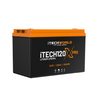 |
01. 2 × iTECH120X PRO 120Ah LiFePO4 Batteries (240Ah total) The energy store. 100% usable capacity (vs roughly 50% on an equivalent AGM), Bluetooth monitoring via the iTechworld Connect app, IP67 waterproof, 5-year warranty (3 years full replacement, 2 years pro-rata). |
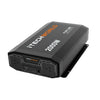 |
02. 2000W Pure Sine Wave Inverter — the focal point Converts 12V battery power into 240V AC. 2000W continuous / 4000W surge. 12-month statutory warranty. |
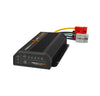 |
03. iTECHDCDC40 — 40A DCDC + MPPT Charger Charges the batteries from the vehicle's alternator while driving, and doubles as an MPPT solar controller if panels are added. Works with smart alternators via its 3-pin Anderson input. 1-year warranty. |
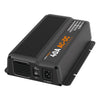 |
04. iTECHBC40 — 40A AC Charger Fast mains charging when parked at a powered site or at home between trips. 24-month statutory warranty. |
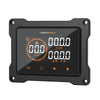 |
05. iTECHBM500 — Battery Monitor with 500A Shunt Real-time voltage, current in/out, and state of charge on a digital display — so you know your actual position, not a guess. 1-year warranty. |
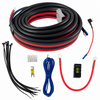 |
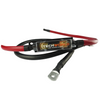
06. Plug & Play 40A DCDC Wiring Kit 6AWG cable (6m) plus a 3m ignition extension, terminating in a 3-pin Anderson connector, with a fuse tap so there's no splicing into factory wiring. Suitable only for the DCDC40 — it's matched to that charger's current draw. |
 |
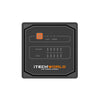
07. 00AWG Inverter Cable with 250A Maxi Fuse Heavy-duty 70mm² cable connecting battery to inverter, with the Maxi Fuse pre-installed on the positive lead — sized to the inverter's draw, not the DCDC charger's. |
 |
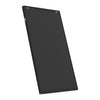
08. RC3 Remote Control On/off control for the inverter from up to 5m away — handy when it's mounted somewhere awkward to reach, like deep in a canopy. |
 |
+ Optional: 2 × 150W Hard Frame Solar Panels + Mounting Brackets HPX PRO tempered-glass cells, IP67 rated, 17mm thin. Adds solar top-up through the DCDC40's MPPT input — keeps the batteries charging even when the vehicle's parked up for a few days. |
Why the Inverter Has Its Own Dedicated Fuse
The DCDC wiring kit already has a built-in fuse tap sized to the DCDC40's charging current, so that circuit is protected out of the box. The inverter is a different story — it draws far more current through a much heavier cable, which is why the 00AWG Inverter Cable ships with its own 250A Maxi Fuse pre-installed, rather than sharing protection with the charging circuit.
| Component | Included Protection | Protects |
|---|---|---|
| 00AWG Inverter Cable | 250A Maxi Fuse (pre-installed) | The heavy battery-to-inverter run, sized to the 2000W inverter's peak draw. |
Keep it this way when wiring the kit up: don't swap the Maxi Fuse for a smaller one to "save" the DCDC circuit, and don't rely on the inverter's fuse to protect the charging side. Each one is sized to the job it's actually doing.
How to Size a Kit for Your Setup
The same simple method works whether you're checking if a kit will cover your fridge and lights, or deciding between the 160Ah and 240Ah options.
- List what you're running: a 50W 12V fridge (24hrs), 20W LED lighting (6hrs), and a 30W fan (4hrs).
- Work out daily energy use: (50W × 24h) + (20W × 6h) + (30W × 4h) = 1,200Wh + 120Wh + 120Wh = 1,440Wh per day.
- Add a safety buffer: divide by 0.8 to avoid running the battery right down to empty. 1,440 ÷ 0.8 = 1,800Wh.
- Convert to Ah at 12V: 1,800Wh ÷ 12V ≈ 150Ah minimum.
A 240Ah kit like the Complete Lithium 4WD/Caravan Kit gives comfortable headroom above that 150Ah minimum — useful once you add a coffee machine or power tools into the mix through the inverter.
Comparing the Kit Tiers
Same core formula — battery, inverter, DCDC and AC charging, protection — scaled up as you add solar and monitoring.
| Base Canopy Dual Battery Kit | Complete Lithium 4WD/Caravan Kit | Ultimate 4WD Dual Battery Kit | |
|---|---|---|---|
| Battery capacity | 160Ah | 240Ah (2 × 120Ah) | 240Ah |
| Inverter | — | 2000W pure sine wave | 2000W PRO (ATS + RCD) |
| Battery monitor | — | iTECHBM500 (500A shunt) | iTECHBM500 (500A shunt) |
| Solar | — | 2 × 150W optional (+brackets) | 200W included |
| Best for | Dual-battery beginners, tradie canopies, simple touring setups | 4WD/caravan owners wanting full monitoring + room to run appliances | Heavier users wanting solar included from the start |
| Price | $1,287.99 | $2,622 (no solar) / $2,922.20 with solar | From $2,977.93 |
Before you install: the DCDC wiring kit is matched specifically to the iTECHDCDC40 — it isn't a universal fit for other chargers. And the Maxi Fuse on the inverter cable should always match the amperage stated for your specific inverter, not just "the biggest one you've got." When in doubt, call the team on 1300 483 249 before wiring anything up.
Quick FAQs
Q: Can I add solar later if I skip it now?
A: Yes. The iTECHDCDC40 in every kit already has an MPPT solar input built in, so adding panels later is a case of running cable to the controller — you're not replacing any core components.
Q: What's the difference between the DCDC wiring kit and the inverter cable?
A: The DCDC wiring kit (6AWG, with a built-in fuse tap) connects the battery to the vehicle's alternator via the DCDC40. The 00AWG inverter cable (70mm², 250A Maxi fuse) is a separate, heavier-duty run connecting the battery directly to the inverter. Different circuits, different current, different cable.
Q: Does the DCDC charging circuit have its own fuse protection?
A: Yes — the Plug & Play 40A DCDC Wiring Kit includes a built-in fuse tap sized to the DCDC40, so that circuit is already protected without needing a separate fuse component. The inverter's heavier-duty run uses its own pre-installed 250A Maxi Fuse instead, since it carries far more current on a much bigger cable.
Q: Will the 2000W inverter run a coffee machine or induction cooktop?
A: A typical pod coffee machine draws around 1100W, well within the 2000W continuous rating. Induction cooktops vary widely by model — check the appliance's wattage against both the continuous and surge figures before assuming it'll run.
Q: Is this compatible with newer vehicles with smart alternators?
A: Yes. The iTECHDCDC40 is designed to work with smart/variable-voltage alternators via its 3-pin Anderson connection, and will boost a low alternator voltage as needed to charge the battery properly.

Conclusion
A dual battery kit is only as good as the sum of its parts — and now you know what each one is actually for. Whether you're after the entry-level Base Canopy Dual Battery Kit, the Complete Lithium 4WD/Caravan Kit, or the solar-included Ultimate 4WD Dual Battery Kit, the same principles apply: match the battery to your daily load, size the inverter to what you actually want to run, and keep the wiring and fuses matched to the job.
Need some more help or looking for some advice? Get in touch with us at sales@itechworld.com.au or 1300 483 249, or browse the full range of 4WD Kits online.